- Lifeuntox
- Posts
- The Brain Supplement Hiding in Your Gym Bag
The Brain Supplement Hiding in Your Gym Bag

Lifeuntox Daily
April 13, 2026


Good morning, wellness warriors!
Creatine is not just a muscle supplement. It may be one of the most powerful brain-health compounds you can take, and almost nobody is talking about it. While the fitness world has been laser-focused on bicep gains and bench press numbers, a growing body of peer-reviewed research has quietly been revealing that creatine plays a critical role in brain energy metabolism, cognitive function, and even neurodegenerative disease protection.
The problem? Most people either think creatine is "just for gym bros" or they are worried about supplement quality, because the industry is riddled with products that contain heavy metals, undisclosed fillers, and manufacturing contaminants. Both of those things need to change.
Today, we are breaking down the science, the safety concerns, and exactly what to look for if you want to harness creatine for your brain. Let's get into it.
What’s brewing in today’s edition:
🧠 Creatine and Your Brain: Why this "gym supplement" may be the cognitive powerhouse researchers are calling a game-changer
⚠️ The Dirty Supplement Problem: Heavy metals, fillers, and what to look for on the label before you buy
🥦 Your Brain Fuel Protocol: The specific foods and supplementation strategies that support cognitive creatine levels naturally
Share the wellness wisdom: Forward to someone you care about (copy URL here).
🧠 CREATINE AND YOUR BRAIN
The Cognitive Powerhouse Nobody Told You About
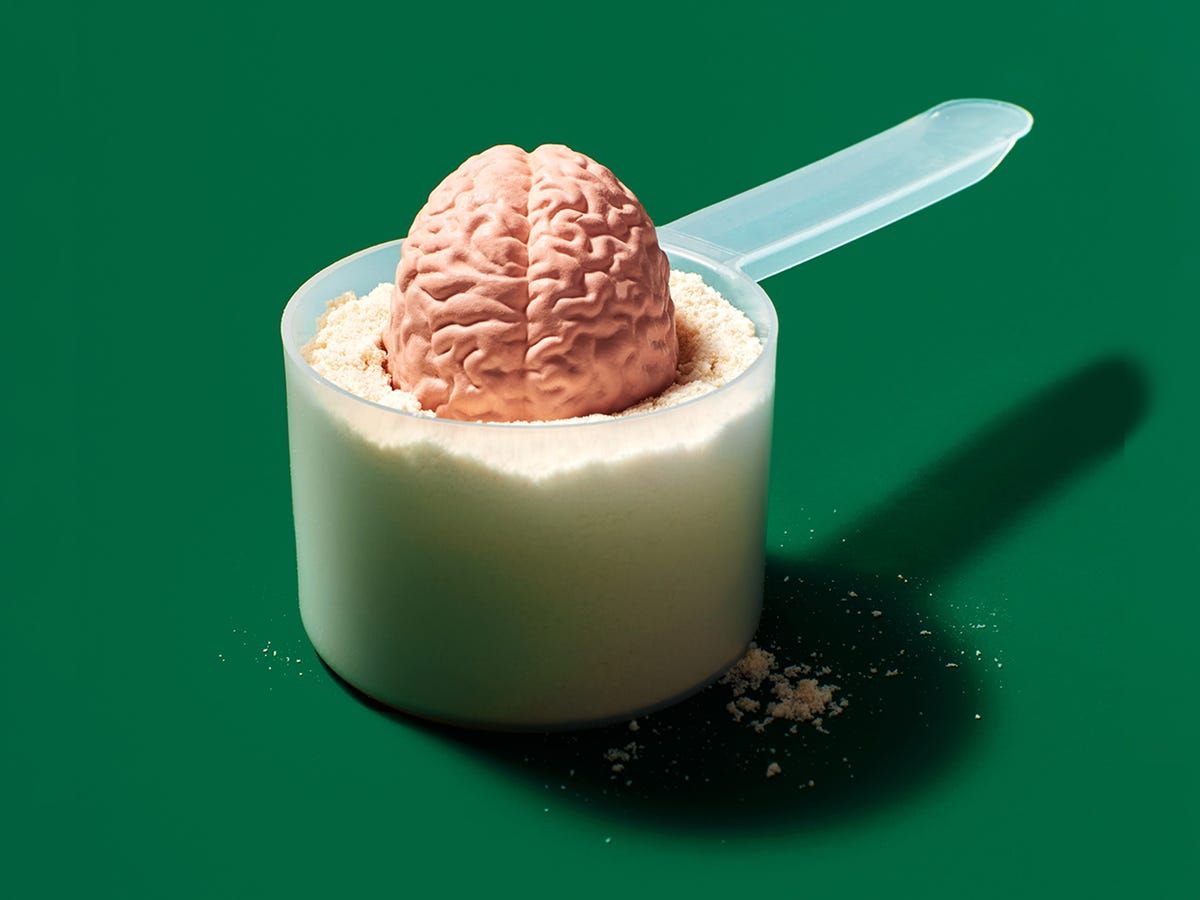
New meta-analysis reveals significant improvements in memory, attention, and processing speed
Here's what I find so frustrating about the supplement industry: creatine has been studied more rigorously than almost any other compound on the market, and yet the conversation around it has barely evolved beyond "take it for bigger muscles." Meanwhile, researchers have been building a remarkably compelling case that creatine is essential for brain energy metabolism, and the data is getting harder and harder to ignore.
A 2024 systematic review and meta-analysis published in Frontiers in Nutrition analysed 16 randomised controlled trials involving 492 participants and found that creatine monohydrate supplementation produced statistically significant improvements in memory, attention, and information processing speed. These are not marginal findings tucked away in obscure journals. This is a rigorous meta-analysis following PRISMA 2020 guidelines, registered with PROSPERO, and covering three decades of clinical data.
The mechanism is elegant in its simplicity. Your brain represents roughly 2% of your body weight but consumes about 20% of your total energy output. Creatine's role is to shuttle energy molecules to wherever cells need them most urgently. When brain creatine levels are adequate, your neurons have a reliable backup power supply. When they are depleted, cognitive performance suffers, particularly under stress, sleep deprivation, or the natural metabolic decline that comes with aging.
A 2024 study published in Scientific Reports demonstrated that even a single high dose of creatine improved cognitive performance during sleep deprivation and measurably increased cerebral high-energy phosphate levels. The researchers concluded that creatine is a strong candidate for counteracting the cognitive damage caused by poor sleep.
And perhaps most excitingly, a 2025 pilot trial from the University of Kansas Medical Center became the first human study to test creatine supplementation in Alzheimer's patients. The results showed an 11% increase in brain creatine levels and moderate improvements in working memory and executive function after just eight weeks. The lead researcher noted that if creatine supplementation provides cognitive benefit in Alzheimer's disease, the public health implications could be substantial, given the compound's low cost and strong safety profile.
💡 Key Insight: The Frontiers in Nutrition meta-analysis found that creatine's cognitive benefits were most pronounced in three groups: women, individuals aged 18 to 60, and people with existing health conditions. Subgroup analyses showed that females responded more strongly than males across multiple cognitive domains, suggesting that creatine may help compensate for naturally lower creatine stores in women. This is a supplement that has been marketed almost exclusively to men for decades while the science suggests women may benefit even more.
— TOGETHER WITH ORA ORGANIC —
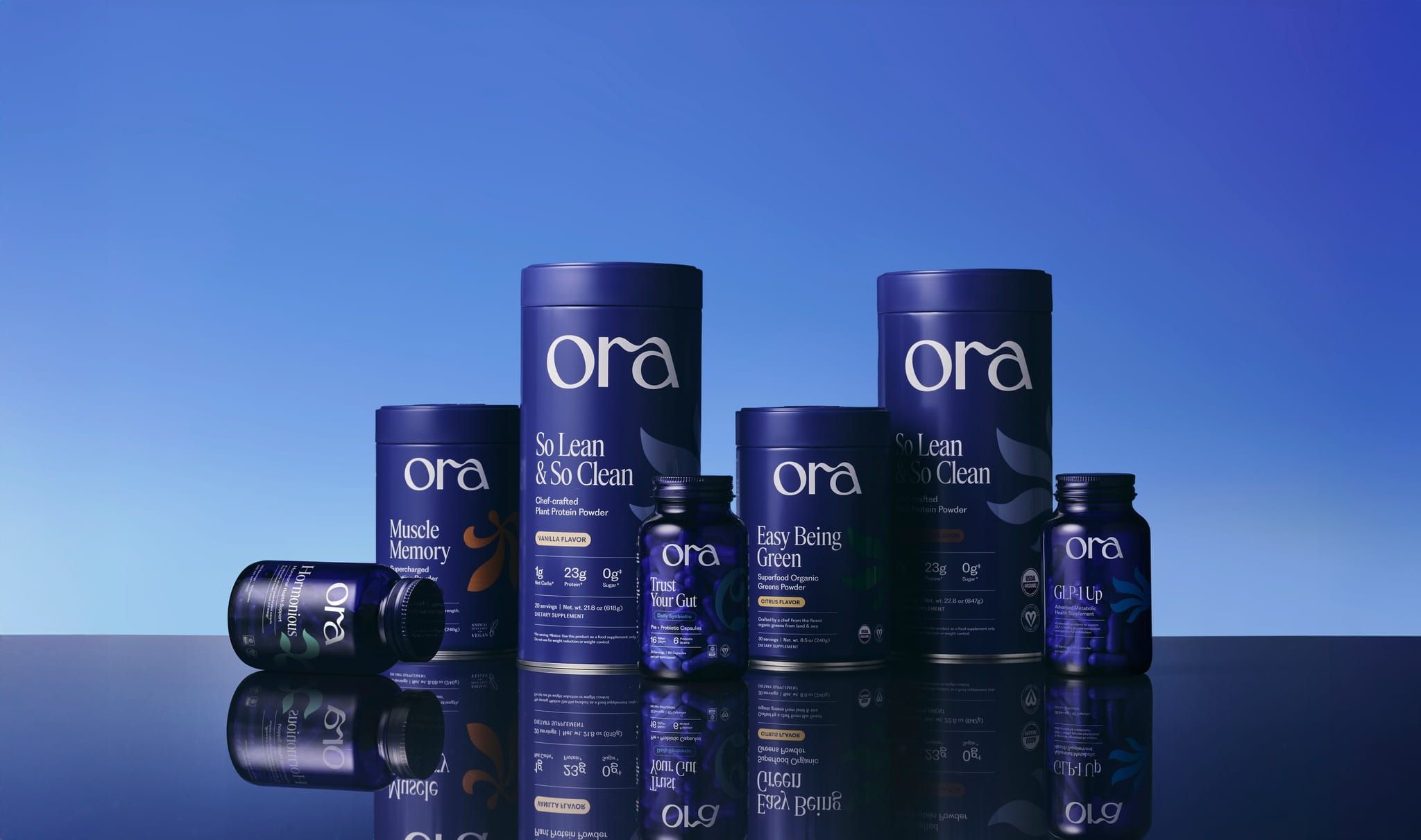
🌱 Clean Supplements. Real Plants. Zero Compromise.
If you care about what goes into your body (and if you're reading this, I know you do), you deserve supplements that actually match your standards. Ora Organic makes 100% plant-based, certified organic supplements with 99% plastic-free packaging. Protein powders, probiotics, greens blends, and more, all third-party tested, non-GMO, and completely free from artificial additives.
This is what clean supplementation should look like: transparent sourcing, rigorous testing, and ingredients you can actually pronounce. Explore Ora Organic's full range here.
⚠️ THE DIRTY SUPPLEMENT PROBLEM
Not All Creatine Is Created Equal
Heavy metals, contaminants, and why third-party testing is everything
Now, before anyone runs out and grabs the cheapest creatine powder on the shelf, we need to have a very honest conversation about supplement quality, because this is where the industry consistently fails consumers.
A study published in Food Chemistry analysed 33 creatine supplements and found detectable levels of mercury along with organic contaminants including creatinine and dicyandiamide, both of which are byproducts of poor manufacturing processes. In 2022, an Amazon testing initiative examined 175 creatine products and found that only a small fraction met purity standards, with some containing heavy metals and banned substances.
This is the infuriating reality of the supplement industry: no mandatory FDA pre-market testing, no required third-party verification, and a marketplace where brands can slap "pure creatine" on a label with virtually no accountability. You are quite literally trusting the manufacturer's word unless independent testing proves otherwise.
✅ What to Look for Before You Buy Any Creatine:
Third-party certification (NSF Certified for Sport, Informed Sport, or USP Verified) — these independent certifications verify purity, potency, and freedom from heavy metals and banned substances. If a brand cannot produce these credentials, walk away.
Creapure branded creatine monohydrate — manufactured in Germany under strict quality controls, Creapure is widely regarded as the gold standard for purity. Independent lab testing has confirmed it tests non-detect for lead, cadmium, mercury, and arsenic.
GMP-certified manufacturing facility — Good Manufacturing Practice certification ensures strict quality controls during formulation, blending, and packaging. This is the minimum standard you should accept.
No proprietary blends — if a label hides exact dosages behind a "proprietary blend," you have no way to verify what you are actually consuming. Transparency is everything.
Published Certificate of Analysis (CoA) — the best brands post their heavy metal and purity test results publicly on their website or provide them on request. If they refuse to share testing data, that tells you everything you need to know.
💡 Key Insight: Creatine monohydrate is the only form used in every single one of the 16 clinical trials included in the Frontiers in Nutrition meta-analysis. Despite aggressive marketing for "buffered creatine," "creatine HCl," and various other formulations, the scientific evidence base supports monohydrate exclusively. Stick with what the research actually validates, and make sure it carries third-party certification.
🥦 YOUR BRAIN FUEL PROTOCOL
How to Fuel Your Brain With Creatine the Right Way
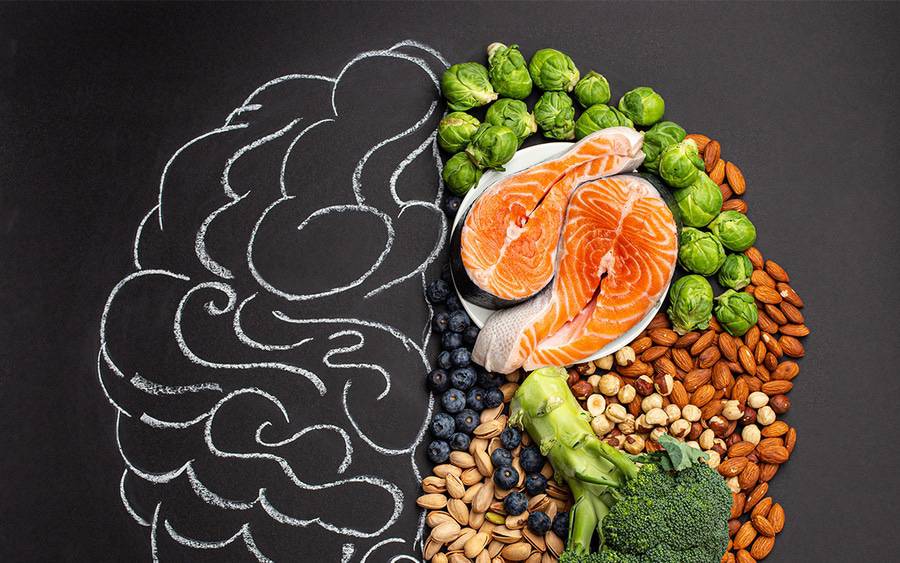
Food sources, supplementation guidance, and the full cognitive support stack
Now for the part I always care about most: what can you actually do with this information starting today? The good news is that creatine is one of the most accessible, affordable, and well-tolerated supplements available, and it also exists naturally in several whole food sources that should be a cornerstone of any clean eating protocol.
Your body produces about 1 gram of creatine per day on its own, and a typical omnivorous diet provides roughly another 1 to 2 grams through food. But the research on cognitive benefits consistently uses supplemental doses of 3 to 5 grams daily, and the Alzheimer's pilot study used 20 grams daily (a dose that was well tolerated over eight weeks). For brain health purposes, a 2025 review published in Nutrition Reviews found that five of six studies reported positive relationships between creatine and cognition in older adults, particularly in memory and attention.
One important detail that often gets overlooked: creatine uptake into the brain is limited by a specific transporter at the blood-brain barrier, meaning it takes time. A 2026 review in ScienceDirect emphasised that most studies require a minimum supplementation period of one week or longer to detect changes in brain creatine levels. Consistency matters far more than loading phases here.
✅ Your Daily Brain Fuel Protocol:
Grass-fed red meat (beef, bison, venison) 3 to 4 times per week — the single richest dietary source of creatine, providing roughly 4 to 5 grams per kilogram of raw meat. Pasture-raised and grass-finished varieties deliver superior nutrient density alongside clean omega-3 profiles.
Wild-caught fatty fish (salmon, herring, cod) 3 times per week — contains roughly 3 to 4.5 grams of creatine per kilogram, plus DHA and EPA that independently support neuronal membrane integrity and brain health. The combination of creatine and omega-3s from the same food source is uniquely powerful.
Creatine monohydrate supplement: 3 to 5 grams daily — taken consistently with a meal for optimal absorption. The clinical research is unequivocal: monohydrate is the only validated form. Mix into water, a smoothie, or any beverage. Flavourless and easily integrated into any routine.
Pasture-raised eggs: 2 daily — while eggs contain modest creatine levels compared to red meat and fish, they provide choline, another critical nutrient for brain function and neurotransmitter synthesis. The combination amplifies the cognitive support stack considerably.
Adequate hydration: 2.5 to 3 litres of filtered water daily — creatine draws water into cells as part of its energy transport function. Dehydration reduces its effectiveness and can cause unnecessary discomfort. Proper hydration is a non-negotiable complement to supplementation.
💡 Key Insight: Vegetarians and vegans typically have lower baseline creatine stores because the richest dietary sources are animal-based. This means plant-based individuals may experience even more pronounced cognitive benefits from supplementation. If you follow a vegetarian or vegan lifestyle, creatine monohydrate is one of the most evidence-backed supplements you can add to your routine, and it is naturally vegan (synthesised from non-animal precursors).
The bottom line is this: creatine has been hiding in plain sight as one of the most affordable, well-researched, and well-tolerated cognitive support compounds available anywhere. The science is still evolving, and larger clinical trials are needed, but the direction of the evidence is consistent and compelling. Your brain needs energy, creatine helps deliver it, and there is no reason this information should remain locked inside academic journals while the supplement industry sells you overpriced nootropic blends with a fraction of the evidence base.
I believe in making clean living accessible and honest. That means pointing you toward what the science actually says, not what the marketing department wants you to believe. Creatine for brain health is one of those rare cases where the evidence genuinely excites me, and I wanted to share it with you today.
💡 HEALTH HACK OF THE DAY
The "Brain Breakfast" you can start tomorrow: 2 pasture-raised eggs scrambled with a handful of spinach, a small portion of wild-caught smoked salmon on the side, and 3 to 5 grams of creatine monohydrate stirred into your morning water or smoothie. That single meal delivers dietary creatine from two whole-food sources, choline for neurotransmitter support, omega-3 DHA for neuronal membranes, and a clinically supported dose of supplemental creatine. Your brain runs on energy. Start feeding it properly.
🛍️ TODAY’S RECOMMENDED SWAPS
❌ Unverified Creatine Powder → ✅ Thorne Creatine (NSF Certified for Sport) — third-party tested for purity and banned substances; uses Creapure creatine monohydrate manufactured in Germany with full heavy metal testing on every batch
❌ Factory-Farmed Ground Beef → ✅ White Oak Pastures Grass-Fed Beef— regeneratively raised, 100% grass-fed and grass-finished beef with naturally higher creatine and omega-3 content, plus zero hormones, antibiotics, or synthetic inputs
❌ Farmed Atlantic Salmon → ✅ Vital Choice Wild-Caught Sockeye Salmon — significantly higher creatine and DHA levels compared to farmed fish, without the antibiotics, synthetic colouring, or PCB contamination common in aquaculture operations
❌ Synthetic "Nootropic" Stacks with Proprietary Blends → ✅ Transparent Labs Creatine HMB — single-ingredient transparency with full Certificate of Analysis posted publicly; no proprietary blends, no artificial sweeteners, and heavy metal testing on every lot
❌ Conventional Eggs (caged, grain-fed) → ✅ Organic Valley Pasture-Raised Eggs — pasture-raised hens produce eggs with significantly higher choline and omega-3 content, the perfect creatine-complementary nutrients for comprehensive brain support
All products are independently researched for safety and effectiveness. Purchases support our mission with a small commission.
⭐ RATE TODAY’S EDITION
📝 Got questions, feedback, or aha moments?
Reply to this email with your thoughts, questions, or responses for a chance to be featured in tomorrow's Community Corner! We read every single email and love hearing your breakthroughs, struggles, and everything in between.
This material is provided solely for informational purposes and is not providing or undertaking to provide any medical, nutritional, behavioral or other advice or recommendation in or by virtue of this material. This newsletter is for general informational purposes only and does not constitute the practice of medicine, nursing or other professional health care services, including the giving of medical advice, and no doctor/patient relationship is formed. The use of information on this newsletter or materials linked from this newsletter is at the user’s own risk. The content of this newsletter is not intended to be a substitute for professional medical advice, diagnosis, or treatment. Users should not disregard, or delay in obtaining, medical advice for any medical condition they may have, and should seek the assistance of their health care professionals for any such conditions.