- Lifeuntox
- Posts
- The Biology of Hopelessness
The Biology of Hopelessness

Lifeuntox Daily
April 24, 2026
Good morning, wellness warriors!
That heavy, sinking feeling that tells you nothing is going to get better? The one that whispers "why bother" when you think about making a change? It is not a character flaw. It is not laziness. It is not weakness. It is a measurable, documentable biological state involving your cortisol levels, your serotonin production, your gut bacteria, and a protein called BDNF that your brain desperately needs to rewire itself out of dark places.
Neuroscience has mapped it. Peer-reviewed research has measured it. And here is the part that I genuinely need you to hear: the same science that explains why hopelessness happens also reveals exactly how to start reversing it, with tools that are available to you right now, many of them free.
Today, we are going inside the biology. No platitudes. No "just think positive." Actual mechanisms, actual evidence, and actual protocols.
What’s brewing in today’s edition:
🧠 Your Brain on Hopelessness: The neuroscience of learned helplessness and why your prefrontal cortex literally stops believing change is possible
🔬 Your Gut Is Steering Your Mood: 90% of your serotonin is made in your gut, and what you are feeding your microbiome is directly shaping how you feel
✅ The Reversal Protocol: The specific foods, movements, and habits that science says can rebuild the brain chemistry hopelessness has dismantled
Share the wellness wisdom: Forward to someone you care about (copy URL here).
🧠 YOUR BRAIN ON HOPELESSNESS
Why Your Brain Stops Believing Things Can Change

In 1967, psychologist Martin Seligman stumbled onto something at the University of Pennsylvania that would reshape our understanding of depression for the next six decades. He discovered that when living organisms are repeatedly exposed to stressful situations they cannot control, they stop trying to escape, even when escape becomes possible. He called it learned helplessness. And it turns out your brain does this to you every single day in ways you probably do not realise.
Here is the part that changed everything for me when I first read it. In 2016, Seligman and neuroscientist Steven Maier published a landmark update that flipped the original theory on its head. The brain's default state, they discovered, is not optimism. The brain's default state is to assume that you have no control. Helplessness is not something you learn. It is your neurological starting position. What you actually learn, through experience and agency, is that you can influence outcomes. And when chronic stress strips that learned sense of control away, your brain reverts to factory settings: why bother.
The biology is specific and measurable. Research published in Frontiers in Psychiatry has documented that chronic uncontrollable stress alters the HPA axis, driving cortisol levels into overdrive. It sensitises serotonergic neurons in the dorsal raphe nucleus, disrupting the very neurotransmitter system responsible for mood regulation. It causes acute reductions in synaptic activity in the hippocampus, the region responsible for learning and memory. And it reduces BDNF, the protein your brain needs to form new neural connections and, quite literally, rewire itself.
I want to say that again because I think it is genuinely one of the most important things you will read this week: hopelessness physically changes your brain's architecture. It is not a mood. It is a neurological event. And that means, crucially, that reversing it is not about willpower. It is about changing the inputs.
💡 Key Insight: Neuroscience has revealed that the brain's default state is helplessness, not optimism. The sense of agency and control you feel in daily life is actually a learned response, maintained by the ventromedial prefrontal cortex. Chronic, uncontrollable stress degrades this learned control by elevating cortisol, disrupting serotonin signalling in the dorsal raphe nucleus, reducing hippocampal synaptic activity, and depleting BDNF. The result is a measurable neurological state that looks and feels exactly like "giving up" but is actually your brain reverting to its baseline wiring. This is biology, not weakness.
⚠️ The Biological Fingerprints of Hopelessness:
Elevated cortisol that will not come down — your HPA axis is stuck in "threat mode," flooding your system with stress hormones even when there is no immediate danger. This disrupts sleep, appetite, and the ability to feel pleasure
Depleted serotonin production — chronic stress redirects tryptophan metabolism away from serotonin synthesis and toward the kynurenine pathway, producing neurotoxic metabolites instead of the mood-regulating chemical your brain is starving for
Reduced BDNF in the hippocampus — the growth factor your brain needs to form new neural connections and literally rewire circuits associated with mood and motivation is actively being suppressed by chronic stress
Systemic inflammation — pro-inflammatory cytokines (TNF-α, IL-6, IL-1) cross the blood-brain barrier and directly interfere with neurotransmitter metabolism, compounding the mood disruption from the inside out
Prefrontal cortex going offline — the ventromedial PFC, responsible for regulating your emotional responses and maintaining your sense of agency, shows reduced activation under chronic stress. Your "I can handle this" circuit is literally powering down
🔬 YOUR GUT IS STEERING YOUR MOOD
90% of Your Serotonin Lives Below Your Ribcage

This is the part that will completely rewire (pun fully intended) how you think about mood and mental health.
A comprehensive review published in Cureus confirmed that approximately 90% of serotonin is synthesised in the gut under microbial influence, through the gut-brain axis, a bidirectional communication highway linking your gastrointestinal system to your central nervous system. The bacteria in your gut are not passive passengers. They are active participants in your emotional life, producing neurotransmitters, regulating inflammation, and sending signals directly to your brain through the vagus nerve.
And here is where diet enters the picture in a way that I genuinely believe most people have never been told. Research published in Frontiers in Nutrition documented that key gut bacteria involved in serotonin production, specifically Bifidobacterium and Lactobacillus, are significantly reduced in people with depression. When these populations decline, short-chain fatty acid production drops, the intestinal barrier weakens, and pro-inflammatory metabolites flood into circulation, crossing the blood-brain barrier and directly interfering with mood regulation. The ultra-processed food sitting in most pantries is actively feeding the bacterial populations that produce inflammation while starving the ones that produce your feel-good chemistry.
A 2025 review in Nutrients confirmed that omega-3 fatty acids directly suppress the enzyme (IDO) that diverts tryptophan away from serotonin production and toward neurotoxic kynurenine derivatives. They also enhance vagal nerve signalling, increase anti-inflammatory pathways, and help normalise cortisol levels disrupted by chronic stress. This is not abstract biochemistry. This is your lunch directly influencing whether your brain can manufacture the chemistry it needs to feel hope.
💡 Key Insight: Your gut microbiome is not a spectator in your mental health. It is a central player. The bacteria in your gut produce roughly 90% of your body's serotonin, generate short-chain fatty acids that support brain health, and communicate directly with your brain through the vagus nerve. When gut bacterial diversity collapses (through processed food, chronic stress, or antibiotic use), serotonin production drops, inflammation rises, and the gut-brain axis sends distress signals that manifest as low mood, anxiety, and hopelessness. Rebuilding microbial diversity through diet is one of the most direct interventions available.
✅ THE REVERSAL PROTOCOL
Rebuilding What Hopelessness Dismantled
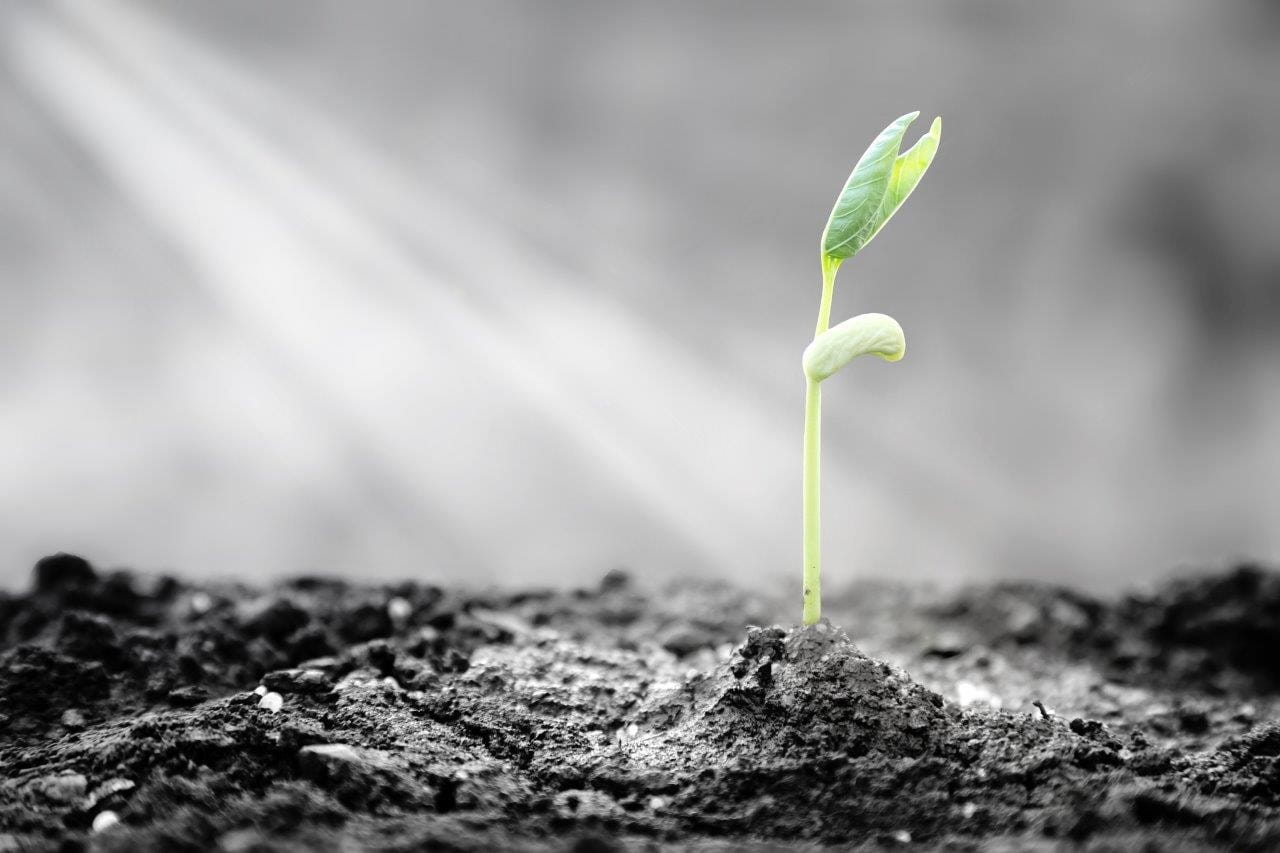
I know that asking someone who feels hopeless to "just start doing healthy things" is about as useful as telling someone who is drowning to "just breathe." I get it. I have been in dark places myself, and the last thing I needed was another person telling me to go for a walk. But the reason I am writing this is that once I understood the mechanism, the "why" behind each intervention, doing them stopped feeling like a chore and started feeling like an act of quiet defiance against the biology that was holding me hostage.
Let us start with the single most powerful lever. A review of 100 manuscripts over 20 years published in Frontiers in Physiology confirmed that physical exercise, particularly at moderate to high intensity, elevates BDNF levels in both healthy individuals and people with clinical depression. BDNF is the protein that promotes neuronal survival, supports synaptic plasticity, and encourages neurogenesis. In plain language: exercise gives your brain the raw material it needs to build new pathways out of hopelessness. One study found that just 15 minutes of treadmill exercise in elderly adults with depression produced a measurable increase in BDNF. This is not a six-month commitment before you feel anything. This is biology responding to movement in real time.
Then layer nutrition on top. Omega-3 fatty acids (EPA and DHA) have been shown to suppress the inflammatory enzyme that diverts tryptophan away from serotonin production, enhance vagal nerve communication between gut and brain, and help normalise cortisol levels. Mediterranean-style diets rich in fibre, fermented foods, and polyphenols have been consistently associated with reduced depression and anxiety across multiple large-scale studies. The combination of feeding your gut microbiome properly while moving your body enough to trigger BDNF production attacks the biology of hopelessness from both ends simultaneously.
💡 Key Insight: The reversal protocol works because it targets each biological mechanism simultaneously. Exercise elevates BDNF to restore neuroplasticity. Omega-3 fatty acids suppress the inflammatory diversion of tryptophan and enhance vagal nerve signalling. Fermented foods and dietary fibre rebuild the gut microbiome populations that produce serotonin and short-chain fatty acids. And reducing ultra-processed food intake lowers systemic inflammation that crosses the blood-brain barrier. None of these are miracle cures. All of them are evidence-based interventions that change the biological inputs your brain is using to construct your emotional reality.
✅ Your Daily Mood Rebuild Protocol:
Move for 20 minutes daily at moderate intensity — a brisk walk counts. The goal is to elevate your heart rate enough to trigger BDNF release and lactate production, which crosses the blood-brain barrier and directly supports neuroplasticity pathways. Do not wait until you feel motivated. Motivation follows movement, not the other way around
Eat omega-3 rich food 3 to 4 times per week — wild-caught salmon, sardines, mackerel, or a high-quality fish oil supplement providing at least 1,000mg combined EPA and DHA. These suppress the inflammatory IDO enzyme that hijacks your tryptophan supply away from serotonin
Feed your microbiome with fermented foods daily — yogurt with live cultures, kefir, sauerkraut, kimchi, or kombucha. These directly supply Lactobacillus and Bifidobacterium, the bacterial populations most consistently depleted in people experiencing depression and low mood
Load up on dietary fibre from whole food sources — oats, lentils, black beans, flaxseeds, and vegetables. Fibre is the primary fuel source for SCFA-producing bacteria. Without it, butyrate production drops, your gut barrier weakens, and inflammatory signals flood into circulation
Cut ultra-processed food aggressively — refined sugars, seed oils, artificial sweeteners, and emulsifiers feed the Bacteroides populations that produce pro-inflammatory metabolites. Every ultra-processed meal is a direct input into the inflammatory cascade that suppresses your mood chemistry. This one change alone moves the needle more than most people expect
I want to end this section by saying something that I mean with my whole chest. If you are in a dark place right now, please talk to someone. A doctor, a therapist, a friend, a crisis line. Nothing in this newsletter is a substitute for professional support, and asking for help is one of the bravest, most rational things a human being can do. What the science tells us is that your biology is working against you in ways that are measurable and changeable, and that some of the most powerful tools for changing those inputs are sitting in your kitchen and waiting outside your front door. That is hopeful. That is real. And you deserve to know it.
Editor’s Note: The Baseline
Here is what nobody has told you. The FDA does not require the products in your bathroom cabinet to disclose their contamination levels for lead, cadmium, arsenic, or mercury. Not the protein powder. Not the greens supplement. Not the turmeric capsules. Independent labs test these products and find contamination over and over again. The companies selling them keep the results buried, because they legally can. Your body has been keeping score of the damage. The industry has been counting on you never seeing the scoreboard. That is about to change.
🛍️ TODAY’S RECOMMENDED SWAPS
❌ Generic Fish Oil with Low EPA (Rancid, Poorly Absorbed) → ✅ Nordic Naturals Ultimate Omega — 1,280mg combined EPA/DHA per serving, third-party tested for purity, triglyceride form for superior absorption. EPA is the specific omega-3 shown to suppress the IDO enzyme that hijacks your serotonin precursors
❌ Sugary Flavoured Yogurt (More Dessert Than Probiotic) → ✅ Stonyfield Organic Plain Whole Milk Yogurt — live active cultures including Lactobacillus and Bifidobacterium, organic, no added sugar or artificial sweeteners. The bacterial strains your gut needs most for serotonin production, without the glucose spike that feeds inflammatory bacteria
❌ Ultra-Processed Snack Bars (Seed Oils, Emulsifiers, Refined Sugar) → ✅ RXBARs — egg whites, nuts, dates, and nothing else. Clean protein, healthy fats, and natural fibre without the emulsifiers and refined sugars that erode gut barrier integrity and drive inflammatory signalling to your brain
❌ Magnesium Oxide Supplements (Minimal Absorption) → ✅ Pure Encapsulations Magnesium Glycinate — chelated form with superior bioavailability and a calming effect on the nervous system. Magnesium modulates the HPA axis and supports GABA production, the neurotransmitter responsible for calming the stress response that drives hopelessness
❌ Pasteurised Store-Bought Kombucha (Heat-Killed Cultures, Added Sugar) → ✅ GT's Synergy Raw Kombucha (Original) — raw, unpasteurised, with billions of live cultures per bottle and minimal sugar. One of the most accessible daily sources of Lactobacillus and beneficial yeasts that support microbial diversity and gut-brain axis communication
All products are independently researched for safety and effectiveness. Purchases support our mission with a small commission.
⭐ RATE TODAY’S EDITION
📝 Got questions, feedback, or aha moments?
Reply to this email with your thoughts, questions, or responses for a chance to be featured in tomorrow's Community Corner! We read every single email and love hearing your breakthroughs, struggles, and everything in between.
This material is provided solely for informational purposes and is not providing or undertaking to provide any medical, nutritional, behavioral or other advice or recommendation in or by virtue of this material. This newsletter is for general informational purposes only and does not constitute the practice of medicine, nursing or other professional health care services, including the giving of medical advice, and no doctor/patient relationship is formed. The use of information on this newsletter or materials linked from this newsletter is at the user’s own risk. The content of this newsletter is not intended to be a substitute for professional medical advice, diagnosis, or treatment. Users should not disregard, or delay in obtaining, medical advice for any medical condition they may have, and should seek the assistance of their health care professionals for any such conditions.