- Lifeuntox
- Posts
- The 10-step toxin-free bedtime routine that changed everything
The 10-step toxin-free bedtime routine that changed everything

Lifeuntox Daily
March 09, 2026


Good morning, wellness warriors! Can we have an honest conversation about sleep? Because something isn't adding up. We spend roughly a third of our lives in bed, yet most of us have never once asked: what am I actually breathing while I sleep?
The National Sleep Foundation's 2025 Sleep in America Poll found that 6 in 10 adults don't get enough sleep and nearly half have trouble staying asleep three or more nights per week. We blame stress. We blame screens. We blame caffeine. And yes, all of those play a role. But there's something else silently sabotaging your sleep that nobody's talking about: the toxic chemicals in your bedroom.
Today, we're giving you a complete 10-step bedtime routine that doesn't just improve your sleep hygiene — it detoxifies the entire experience from the ground up.
What’s brewing in today’s edition:
🚨 Your mattress is off-gassing chemicals while you sleep — the latest research you need to see
🔬 The complete 10-step non-toxic bedtime routine — backed by science, not gimmicks
🛡️ Your clean sleep action plan — product swaps and the mineral 75% of Americans are missing
Share the wellness wisdom: Forward to someone you care about (copy URL here).
🚨 THE UNCOMFORTABLE TRUTH
Your Mattress Is Off-Gassing Chemicals While You Sleep
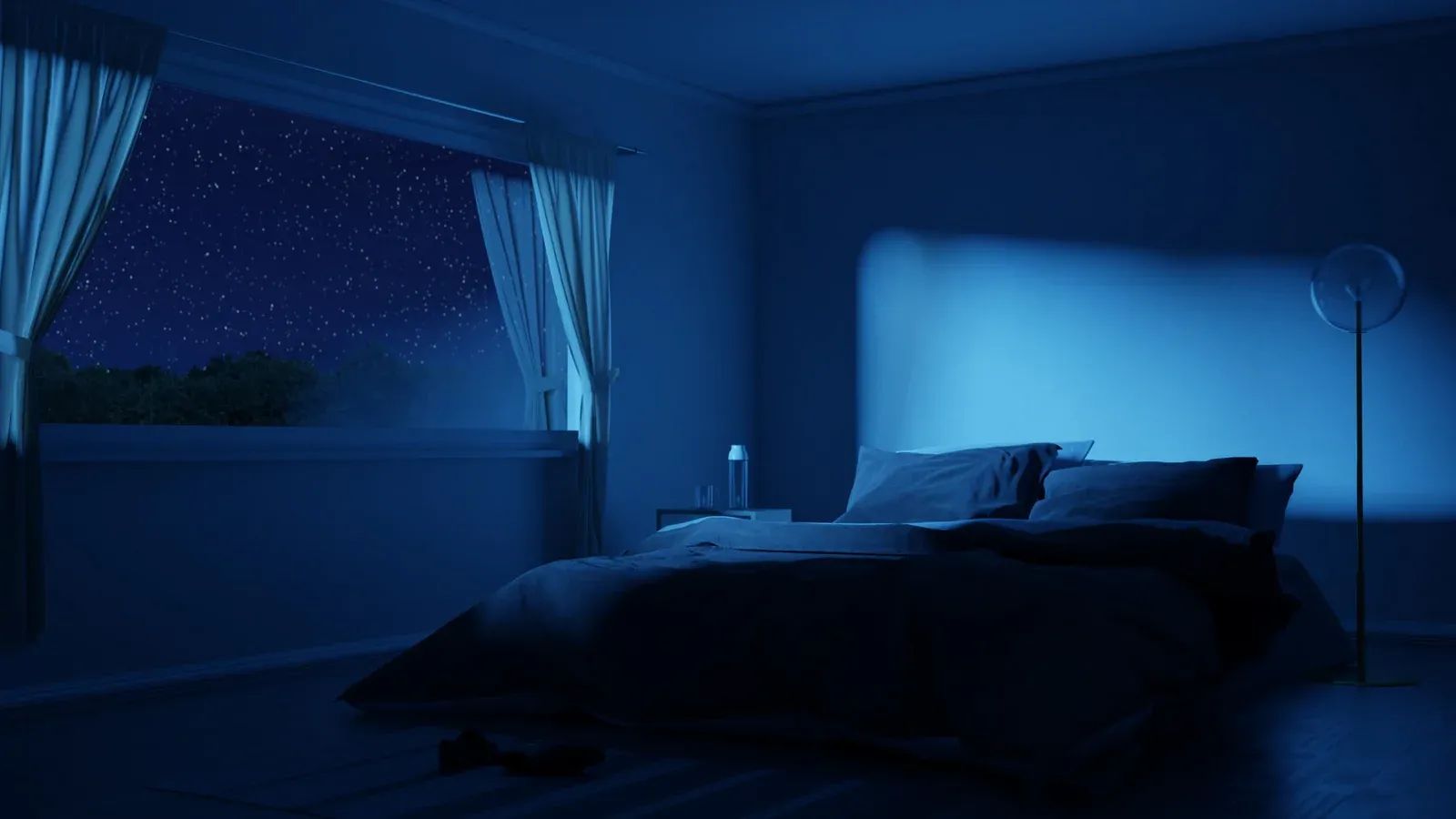
That "new mattress smell" you thought was harmless? It's volatile organic compounds — VOCs — off-gassing from the synthetic materials, flame retardants, and chemical adhesives inside your mattress. And you're inhaling them for eight hours straight, every single night.
Here's what fires us up about this: a 2025 study published in Environmental Science & Technology Letters tested children's bedrooms and found more than two dozen harmful chemicals — including phthalates, flame retardants, and UV filters — in the air where kids sleep. The highest concentrations were directly around the beds. A companion study confirmed that mattresses themselves were the primary source of these emissions.
Most conventional mattresses are built from polyurethane foam — which firefighters have chillingly nicknamed "solid gasoline" because of how flammable it is. To pass fire safety regulations, manufacturers douse it in chemical flame retardants like organophosphate esters and halogenated compounds. These chemicals have been linked to hormone disruption, reproductive harm, neurodevelopmental issues, and increased cancer risk.
And it's not just your mattress. Your sheets may contain formaldehyde-based wrinkle-resistant finishes. Your pillow could be off-gassing flame retardants. Even your scented candle or plug-in air freshener is releasing synthetic chemicals into the air you breathe all night. Your bedroom — the one place that should be your sanctuary for rest and recovery — may actually be working against your health.
💡 Key Insight: The American Heart Association published a 2025 scientific statement confirming that sleep quality — not just duration — directly impacts heart and brain health. Poor sleep consistency has been linked to higher rates of obesity, cardiovascular disease, high blood pressure, and inflammation. Your sleep environment isn't a luxury concern. It's a cardiovascular one.
— TOGETHER WITH THORNE—

The Missing Mineral Behind Your Sleep Struggles
Here's a stat that should change how you think about sleep: 75% of U.S. adults don't meet the recommended daily intake of magnesium — a mineral directly involved in sleep regulation, melatonin production, and nervous system relaxation. No wonder so many of us are tossing and turning.
Thorne's Magnesium Bisglycinate is the cleanest magnesium supplement we've found. Third-party tested, NSF Certified for Sport, free from gluten, dairy, soy, and artificial additives. The bisglycinate form is specifically chosen for superior absorption and minimal digestive side effects — so you actually absorb what you take. Trusted by over 100 professional sports teams and the #1 recommended brand by healthcare practitioners. This isn't wellness marketing. It's science you can feel the first night you try it.
Vetted by our clinical research & toxicologist team. This is a sponsored partnership — purchases through our link support the Lifeuntox mission.
🔬 THE SCIENCE-BACKED ROUTINE
The 10-Step Non-Toxic Bedtime Routine

This isn't your average "put your phone down and drink some tea" advice. This is a complete protocol designed to remove toxins from your sleep environment, align your body with its natural circadian rhythm, and create the conditions for genuinely restorative rest. Every single step has science behind it.
1
Step 1: Open your windows for 10 minutes (3 hours before bed).
Indoor air can be 2-5x more polluted than outdoor air, according to the EPA. Flushing your bedroom with fresh air helps clear accumulated VOCs from mattresses, furniture, and cleaning products before you seal yourself in for eight hours.
Step 2: Kill the overhead lights — switch to warm, low lighting (2 hours before bed).
Research published in Frontiers in Neuroscience confirms that blue light from LEDs and screens suppresses melatonin secretion by activating melanopsin receptors in the retina. Switch to warm-toned bulbs (below 2700K), salt lamps, or beeswax candles. Your brain needs dimming cues to start its wind-down cascade.
Step 3: Screens off — or amber-filter on (90 minutes before bed).
A randomised controlled trial found that wearing amber-tinted blue light-blocking lenses for 2 hours before bed significantly improved sleep quality in people with insomnia symptoms. If you must use devices, use amber-tinted glasses or enable night mode. Better yet, put the phone in another room entirely.
Step 4: Take your magnesium (60-90 minutes before bed).
A 2025 randomised, placebo-controlled trial of 155 adults found that magnesium bisglycinate supplementation (250mg) significantly reduced insomnia severity compared to placebo. Magnesium supports sleep through multiple pathways: it helps regulate melatonin production, activates GABA receptors (the calming neurotransmitter), and lowers cortisol. Take it consistently — benefits compound over time.
Step 5: Swap your scented candles and plug-ins for clean alternatives.
Most commercial air fresheners and scented candles contain synthetic fragrances — an umbrella term that can hide dozens of undisclosed chemicals including phthalates and VOCs. Replace with essential oil diffusers using organic lavender, cedarwood, or chamomile.
Step 6: Cool your bedroom to 65-68°F (18-20°C).
Your core body temperature needs to drop by about 2-3°F to initiate sleep. Research from the Sleep Foundation identifies this range as optimal. A room that's too warm forces your body to work harder to cool down — delaying sleep onset and reducing time spent in the deep, restorative sleep stages.
Step 7: Do a 10-minute body-based wind-down.
Choose one: gentle stretching, breathwork (try the 4-7-8 technique: inhale 4 seconds, hold 7, exhale 8), or a warm Epsom salt bath. The warm bath is particularly effective — it raises skin temperature, which paradoxically speeds up the body's heat release process and accelerates the core temperature drop needed for sleep onset.
Step 8: Journal or brain-dump for 5 minutes.
A study from Baylor University found that writing a specific to-do list for the following day — rather than journaling about completed tasks — helped participants fall asleep significantly faster. Get tomorrow's worries out of your head and onto paper. Your brain can let go of what it knows has been captured.
Step 9: Make your room truly dark.
Even small amounts of light — from standby LEDs, street lamps, or hallway cracks — can suppress melatonin and fragment sleep. Use blackout curtains or an organic cotton sleep mask. Cover or remove any electronics with standby lights. Total darkness signals your suprachiasmatic nucleus (your master circadian clock) that it's genuinely time to sleep.
Step 10: Same time, every night. Non-negotiable.
The single most powerful thing you can do for your sleep is maintain a consistent bedtime and wake time — including weekends. The American Heart Association has directly linked irregular sleep patterns to higher cardiovascular disease risk. Your circadian rhythm thrives on predictability. Give it what it needs.
💡 Key Insight: The American Heart Association published a 2025 scientific statement confirming that sleep quality — not just duration — directly impacts heart and brain health. Poor sleep consistency has been linked to higher rates of obesity, cardiovascular disease, high blood pressure, and inflammation. Your sleep environment isn't a luxury concern. It's a cardiovascular one.
🛡️ YOUR CLEAN SLEEP ACTION PLAN
Detoxify Your Bedroom Without Losing Your Mind (or Your Budget)

Look, we get it — you can't replace everything overnight (pun intended). The good news? You don't have to. The key is prioritising by exposure time. You spend 6-9 hours pressed against your mattress, pillow, and sheets every night, so those are your highest-impact swaps. Here's the roadmap.
🛏️ The Clean Bedroom Priority List:
Priority #1 — Mattress. When it's time to replace yours, choose one with GOTS, GOLS, or MADE SAFE certification. Avoid polyurethane/memory foam. Choose organic latex, organic cotton, or wool. No chemical flame retardants needed — certified organic wool is naturally fire-resistant.
Priority #2 — Pillow. Switch to organic cotton, organic wool, or natural latex. Most conventional pillows contain the same polyurethane foam and flame retardants as mattresses — just in a smaller package pressed right next to your nose and mouth.
Priority #3 — Sheets and bedding. Choose GOTS-certified organic cotton or linen. Avoid "wrinkle-free" or "easy-care" fabrics — these are typically treated with formaldehyde-based resins. If it never wrinkles, ask yourself why.
Priority #4 — Air quality. Ditch synthetic air fresheners and scented plug-ins. Use a HEPA air purifier and organic essential oils instead. Open windows daily. Your lungs will thank you.
Priority #5 — Lighting. Replace bedroom overhead LED bulbs with warm-toned alternatives (2200-2700K). Invest in amber-tinted blue light blocking glasses for evening screen use. Blackout curtains for total darkness at night.
A note on certifications: Don't fall for greenwashed labels. The word "natural" on a mattress or bedding product is unregulated and meaningless. Look for third-party verified certifications — GOTS (Global Organic Textile Standard), GOLS (Global Organic Latex Standard), MADE SAFE, or GREENGUARD Gold. If a company can't show you a certification, they probably don't have one worth showing.
✉️ COMMUNITY CORNER
Your Questions & Feedback From Recent Newsletters
“I love this article. Doctors are so quick to rush to antibiotics and anti depressants and not looking at the root cause!”
“Thank you for all of this information! You guys are amazing!”
“I absolutely loved today’s edition! I have been on a mission for years to discover answers for the symptoms mentioned in this article! I am caregiver for my 90 year old mom and 7 year old grandson! My mom, my daughter and myself are all experiencing symptoms at different stages of life and it is overwhelmingly difficult to get truthful answers on how to navigate through perimenopause, menopause and post menopause with ease!!! I think I have discovered my tribe/community/niche!!! Thank you”
💡 HEALTH HACK OF THE DAY
The "Sunset Protocol": Set a daily alarm 2 hours before your target bedtime. When it goes off, dim every light in your home to 50% or lower and switch your phone to night mode. This single habit mimics the natural light decline of sunset — giving your brain the strongest possible signal that melatonin production should begin. It's free, takes 30 seconds, and most people notice a difference in sleep onset within 3-5 days.
🛍️ TODAY’S RECOMMENDED SWAPS
Thorne Magnesium Bisglycinate — Our top pick for sleep support. Third-party tested, NSF Certified for Sport, minimal ingredients. The bisglycinate form absorbs better with fewer digestive issues than oxide or citrate forms.
Avocado Green Mattress — GOTS and GOLS certified organic. Natural latex, organic cotton, and wool. No polyurethane, no flame retardant chemicals. Made in the USA.
Coyuchi Organic Cotton Sheets — GOTS certified, no formaldehyde finishes, no synthetic dyes. Soft, breathable, and gets better with every wash.
UVEX Skyper Blue Light Blocking Glasses — Amber-tinted, affordable, and backed by the same blue-blocking research we cited above.
Vitruvi Stone Diffuser — Ceramic, BPA-free diffuser for organic essential oils. No synthetic fragrances, no plastic off-gassing. Beautiful design that doubles as bedroom décor.
All products are independently researched for safety and effectiveness. Purchases support our mission with a small commission.
⭐ RATE TODAY’S EDITION
📝 Got questions, feedback, or aha moments?
Reply to this email with your thoughts, questions, or responses for a chance to be featured in tomorrow's Community Corner! We read every single email and love hearing your breakthroughs, struggles, and everything in between.
This material is provided solely for informational purposes and is not providing or undertaking to provide any medical, nutritional, behavioral or other advice or recommendation in or by virtue of this material. This newsletter is for general informational purposes only and does not constitute the practice of medicine, nursing or other professional health care services, including the giving of medical advice, and no doctor/patient relationship is formed. The use of information on this newsletter or materials linked from this newsletter is at the user’s own risk. The content of this newsletter is not intended to be a substitute for professional medical advice, diagnosis, or treatment. Users should not disregard, or delay in obtaining, medical advice for any medical condition they may have, and should seek the assistance of their health care professionals for any such conditions.