- Lifeuntox
- Posts
- Protein Quality: What Actually Matters - Bioavailability, Amino Acids & Industry Lies
Protein Quality: What Actually Matters - Bioavailability, Amino Acids & Industry Lies

Lifeuntox Daily
January 16, 2026

Good morning, wellness warriors! I'm about to destroy everything you think you know about protein. And yes, that includes that $60 tub of protein powder sitting in your pantry with "25g protein per serving!" plastered all over it.
Here's the uncomfortable truth the fitness industry doesn't want you to know: grams of protein are a lie. Well, not a lie exactly - more like a deliberately incomplete metric designed to sell you inferior products at premium prices.
You've been counting protein grams like they're all created equal. They're not. Twenty-five grams of pea protein isolate is NOT the same as 25 grams of grass-fed beef. Twenty grams from a pasteurized egg white powder is NOT equivalent to 20 grams from whole pasture-raised eggs. And that "complete plant protein" blend? It's missing amino acids your body desperately needs, but the label will never tell you that.
The game is rigged. Food labels are required to show total protein content, but they're NOT required to show amino acid profiles, bioavailability, or what percentage your body can actually use. It's like advertising a car's top speed without mentioning it has no brakes.
What’s brewing in today’s edition:
💪 The bioavailability betrayal: Why your body absorbs less than 60% of most protein sources
🧬 Amino acid completeness: The 9 essentials you MUST get (and which foods are lying)
🥤 Protein powder exposed: Lab results show what they're NOT telling you on the label
Share the wellness wisdom: Forward to someone you care about (copy URL here).
💪 THE BIOAVAILABILITY BETRAYAL
Why Your Body Can't Actually Use Most of That "High Protein" Food
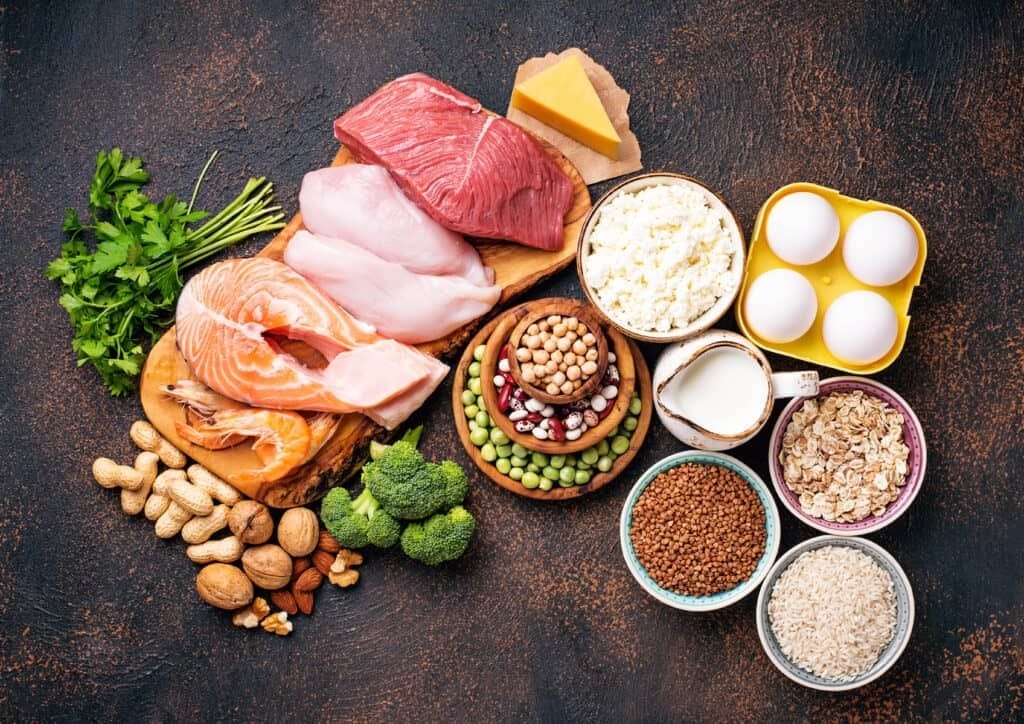
Let me introduce you to the most important protein metric nobody talks about: bioavailability. This is the percentage of protein your body can actually digest, absorb, and use for building muscle, hormones, enzymes, and cellular repair. Not what's on the label - what actually makes it into your cells.
The food industry loves to hide behind total protein content because it makes inferior protein sources look impressive. But here's what actually happens when you eat protein: your digestive system breaks it down into amino acids, your small intestine absorbs what it can, and the rest? It literally goes down the toilet. Wasted. Money flushed away. Health potential unrealized.
💡 The science bomb: PDCAAS scoring (Protein Digestibility-Corrected Amino Acid Score) measures true protein quality. Eggs score 1.0 (perfect). Beef scores 0.92. Soy isolate? 0.91. Pea protein? Just 0.67. That "25g" pea protein shake delivers only ~17g usable protein.
The industry recently switched to a new scoring system called DIAAS (Digestible Indispensable Amino Acid Score) because PDCAAS was TOO generous to plant proteins. Under DIAAS, the gap widens even further. Milk protein scores 1.22. Beef 1.12. Soy drops to 0.84. Wheat protein? A pathetic 0.45.
This is why bodybuilders who switch from whey to plant-based protein powders often lose muscle mass despite consuming the "same" amount of protein. It's not the same. Your muscles don't care what the label says - they care about amino acid delivery. And plant proteins simply cannot deliver at the same rate as animal proteins.
🎯 Protein Quality Rankings (DIAAS Scores):
Whey Protein Isolate: 1.09 - Fastest absorbing, highest quality
Whole Egg: 1.13 - Perfect amino acid balance, best food source
Beef: 1.12 - Complete protein, rich in creatine and B12
Chicken: 1.08 - Lean, complete, highly digestible
Fish (Salmon): 1.06 - Complete + omega-3s
Milk: 1.22 - Highest score but contains lactose (problematic for many)
Soy Isolate: 0.84 - Incomplete, phytoestrogens, anti-nutrients
Pea Protein: 0.67 - Low in methionine, poor absorption
Rice Protein: 0.37 - Severely deficient in lysine
Wheat Gluten: 0.45 - Inflammatory, incomplete
Now here's where the industry really screws you: protein powders are processed to hell and back. Heat treatment, chemical extraction, alkali processing - all of this damages protein structure and reduces bioavailability even further. That whey protein isolate that SHOULD score 1.09? After aggressive processing, many commercial brands drop to 0.85-0.90.
And don't even get me started on the heavy metal contamination. A Clean Label Project study tested 134 protein powder products and found that over 75% contained detectable levels of lead, 74% had cadmium, 55% had BPA, and over 50% had measurable mercury. Your "clean" plant-based protein powder? Often the worst offenders because heavy metals concentrate in plant tissues.
🧬 THE AMINO ACID TRUTH
The 9 Essential Amino Acids Your Body Can't Make (And Which Proteins Are Lying to You)
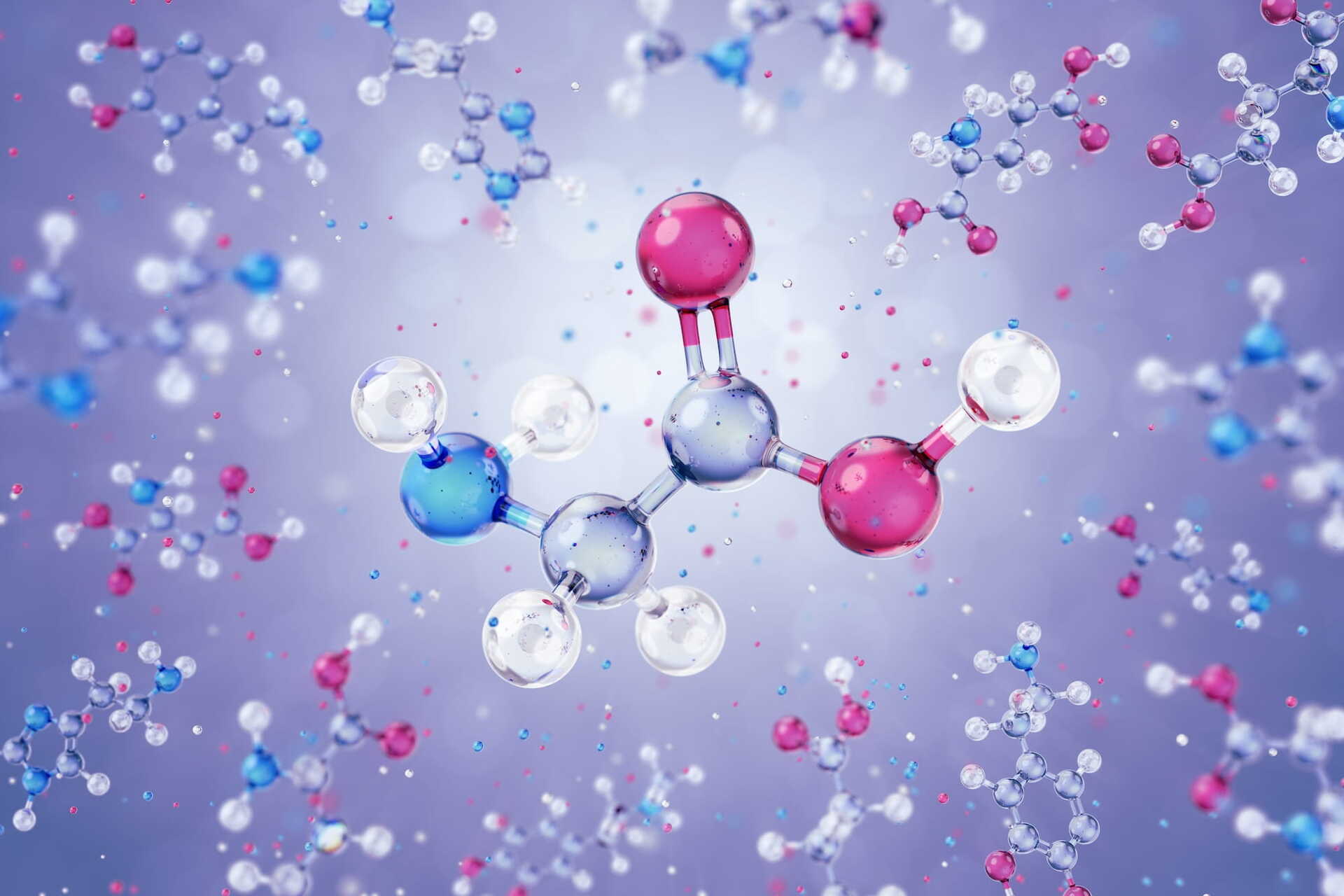
Your body needs 20 different amino acids to function. It can manufacture 11 of them internally. The other 9? You must get them from food. These are called essential amino acids (EAAs), and without adequate amounts of ALL NINE, your body literally cannot build muscle, synthesize hormones, or maintain cellular health.
Here's what the plant protein industry doesn't want you to understand: "complete protein" is a scam. Technically, a protein can be labeled "complete" if it contains detectable amounts of all 9 EAAs. But "detectable" doesn't mean "adequate." It's like saying a car has wheels - technically true, but if they're bicycle wheels on a truck, good luck getting anywhere.
💡 The limiting amino acid trap: Your body builds protein at the rate of the LOWEST amino acid. Think of it like building a wall - if you have 1,000 bricks but only 10 bags of mortar, you can only build a small wall. Plant proteins are almost always limited by lysine or methionine, bottlenecking your body's ability to use the other aminos.
Let me break down the 9 essentials and why animal proteins dominate:
Essential Amino Acid | Why You Need It | Best Sources |
|---|---|---|
Leucine | Triggers muscle protein synthesis, regulates blood sugar | Beef, chicken, eggs, dairy |
Isoleucine | Energy production, immune function, hemoglobin | Meat, fish, eggs |
Valine | Muscle metabolism, tissue repair, energy | Dairy, meat, grains |
Lysine | Calcium absorption, collagen, immune function | Meat, eggs (deficient in grains) |
Methionine | Detoxification, tissue growth, mineral absorption | Eggs, fish, meat (low in legumes) |
Phenylalanine | Neurotransmitters, brain function, mood | Meat, dairy, eggs |
Threonine | Collagen, elastin, immune proteins | Lean meats, eggs |
Tryptophan | Serotonin production, sleep, mood regulation | Poultry, eggs, cheese |
Histidine | Hemoglobin, immune response, nerve cells | Meat, fish, poultry |
Notice a pattern? Animal proteins dominate. This isn't opinion or bias - it's evolutionary biology. Animals build their tissues from the same amino acids humans need, in roughly the same proportions. Plants? They have completely different amino acid requirements and ratios.
Can you get complete protein from plants? Yes. Many plant foods collectively provide all 9 essential amino acids over the course of a day, you don’t need to “carefully combine” them at each meal.
The real limitation isn’t amino acid presence, but protein quality and bioavailability. Most plant proteins have lower digestibility, lower leucine content, and lower essential amino acid density compared to animal proteins.
As a result, you generally need to eat more total protein, more calories, and a larger food volume to achieve the same muscle-protein-synthesis response as highly bioavailable animal proteins.
Additionally, some plant foods contain anti-nutrients (such as phytates, oxalates, and lectins) that can reduce mineral and protein absorption, although preparation methods like soaking, fermenting, and cooking can reduce these effects.
🥤 PROTEIN POWDER EXPOSED
What the Lab Results Reveal About Your "Premium" Protein Powder
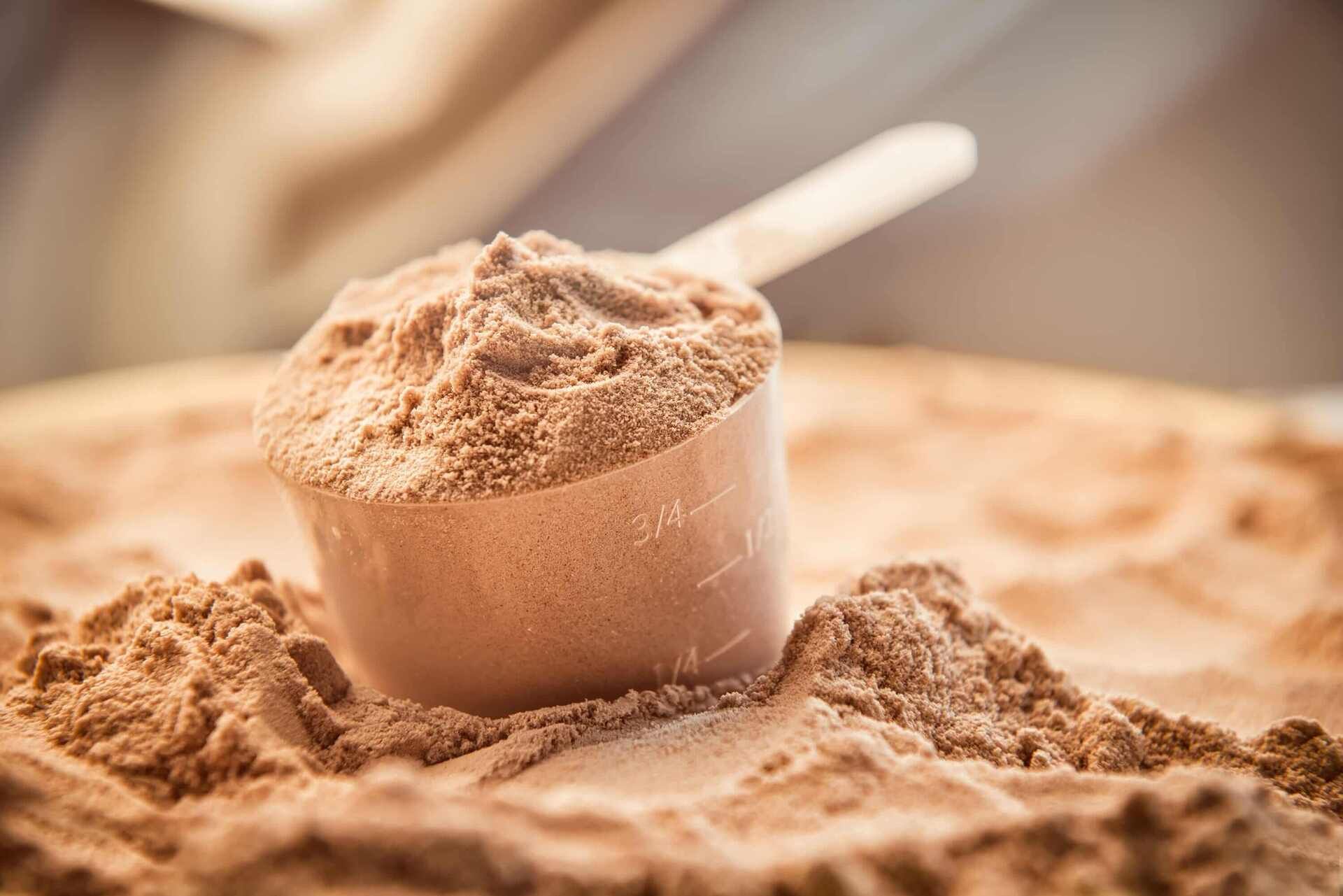
The protein powder industry is worth $20+ billion annually. And it's built on deception, shortcuts, and outright fraud. Let me show you exactly how they're scamming you.
First: protein spiking. This is when companies add cheap amino acids (usually glycine, taurine, or creatine) to their powder to inflate the total nitrogen content. Lab tests measure nitrogen to calculate protein, so adding these cheap aminos makes it LOOK like there's more protein than actually exists. The label says 25g? You might be getting 18g of actual complete protein and 7g of worthless filler aminos.
💡 Industry scandal exposed: In 2015, class-action lawsuits revealed major brands were protein spiking by up to 30%. Legal settlements totaled millions, but the practice continues because enforcement is minimal and profits are massive.
Second: processing destroys protein quality. Most commercial whey undergoes high-heat pasteurization, acid washing, and chemical bleaching. These processes denature proteins, destroying the very amino acid structures your body needs. Cold-processed, grass-fed whey costs 3x more to produce, so guess what most companies don't use?
Third: the additive nightmare. Check the ingredient list on your protein powder. See maltodextrin, artificial sweeteners (sucralose, aspartame, acesulfame-K), gums, synthetic vitamins, "natural flavors" (MSG derivatives), and seed oils? Every single one of these damages your gut lining, spikes insulin, and creates inflammation. You're poisoning yourself while trying to build health.
Plant-based protein powders are even worse. They're typically extracted using hexane (a neurotoxic petroleum solvent), contain higher levels of heavy metals from soil accumulation, include anti-nutrients that block mineral absorption, and use even MORE additives to mask the terrible taste. That chalky, gritty texture? That's what processed pea protein actually tastes like before they dump in artificial flavoring.
🚫 Red Flags on Protein Powder Labels:
Proprietary blends - They're hiding the actual protein amount and spiking with cheap aminos
"Protein blend" - Usually means they mixed expensive whey with cheap soy/pea to cut costs
Maltodextrin in top 5 ingredients - Cheap filler that spikes blood sugar
Artificial sweeteners - Gut-destroying chemicals linked to metabolic damage
"Natural flavors" - Can contain MSG derivatives and synthetic compounds
More than 10 ingredients - Real protein powder needs 3-5 ingredients max
No third-party testing certification - Probably contaminated with heavy metals
So what should you look for? Real food first. Whole eggs, grass-fed meat, wild fish, pastured poultry. If you need powder convenience, look for: grass-fed whey from New Zealand or Ireland (cleanest dairy), cold-processed (never heat-treated), unflavored or naturally flavored with stevia only, third-party tested for heavy metals, and ingredients you can pronounce.
Better yet? Make your own protein shakes with whole food. Two pasture-raised eggs + grass-fed collagen + raw cacao + banana + almond butter. Real ingredients. Real nutrition. No lab-created garbage.
💡 HEALTH HACK OF THE DAY
The Protein Absorption Booster: Add 1 tbsp raw apple cider vinegar to 8oz (240 milliliters) water 15 minutes before high-protein meals. The acetic acid stimulates stomach acid production (HCL), which is essential for breaking down protein into amino acids. Low stomach acid = wasted protein and bloating. This simple trick can increase protein absorption by 20-30%, especially for people over 40 who produce less HCL naturally.
🛍️ TODAY’S RECOMMENDED SWAPS
Primal Kitchen Collagen - Clean, unflavored, from pasture-raised cattle. No additives or fillers.
Naked Whey Grass-Fed Protein - ONE ingredient: grass-fed whey. No sweeteners, no flavors, no BS.
Vital Farms Pasture-Raised Eggs - Still the gold standard. 108 sq ft per bird, real outdoor access.
All products are independently researched for safety and effectiveness. Purchases support our mission with a small commission.
⭐ RATE TODAY’S EDITION
📝 Got questions, feedback, or aha moments?
Reply to this email with your thoughts, questions, or responses for a chance to be featured in tomorrow's Community Corner! We read every single email and love hearing your breakthroughs, struggles, and everything in between.
This material is provided solely for informational purposes and is not providing or undertaking to provide any medical, nutritional, behavioral or other advice or recommendation in or by virtue of this material. This newsletter is for general informational purposes only and does not constitute the practice of medicine, nursing or other professional health care services, including the giving of medical advice, and no doctor/patient relationship is formed. The use of information on this newsletter or materials linked from this newsletter is at the user’s own risk. The content of this newsletter is not intended to be a substitute for professional medical advice, diagnosis, or treatment. Users should not disregard, or delay in obtaining, medical advice for any medical condition they may have, and should seek the assistance of their health care professionals for any such conditions.