- Lifeuntox
- Posts
- The Truth About Chlorine-Washed Chicken in America
The Truth About Chlorine-Washed Chicken in America
What the poultry industry doesn't put on the label, and the cleaner birds you can buy instead.

Good morning, wellness warriors! The chicken sitting in your fridge right now may have taken a chlorine bath before it ever touched a grocery shelf, and most people have no idea that practice is even legal.
Today we are breaking down exactly what chlorine washing is, why the European Union banned it nearly three decades ago while the US still defends it, and how you can shop your way out of the system with a clean, practical protocol you can use this weekend.
What's brewing in today's edition:
🧪 The Chlorine Bath: Most Americans have no idea their chicken carcasses are dunked in chemical baths before hitting the supermarket shelf.
⚖️ The Regulatory Divide: The EU banned chlorinated chicken in 1997. The US doesn't even require it on the label.
🛡️ Your Clean Chicken Protocol: Five labels to look for, five swaps to make, and the science that backs every one of them.
Share the wellness wisdom: Forward to someone you care about (copy URL here).
🧪 WHAT'S IN YOUR BIRD
The Chemical Bath Your Chicken Takes First

Before that chicken breast reaches your shopping cart, it takes a chemical bath. After slaughter and defeathering, most US poultry carcasses are submerged in large communal chiller tanks treated with antimicrobial agents including sodium hypochlorite (chlorine), peracetic acid, and acidified sodium chlorite. The USDA classifies these treatments as pathogen reduction treatments and, crucially, as processing aids, which means they are legally invisible on your label. You will never see "chlorine-washed" on a package of chicken. As NPR reported in April 2025, this practice sits at the center of one of the longest-running trade disputes between the US and the EU, where chlorine washing of poultry has been banned since 1997.
The label silence is not the only problem. A peer-reviewed study published in mSystems by researchers at Colorado State University and UC Davis found that water-chilling creates meaningful cross-contamination risk: every carcass in a communal tank shares the same water, meaning bacteria from one contaminated bird can spread to every other bird in the batch. That 2021 study documented how chiller water becomes a vector rather than simply a sanitiser, particularly when bacterial loads in the incoming flock are high.
Critics, including European food regulators and independent food scientists, argue that the real issue is systemic. Chemical end-of-line washes give large processors a financial buffer that allows substandard hygiene earlier in the slaughter process to go unaddressed. If a rinse at the finish line can mask upstream contamination, the economic incentive to maintain rigorous carcass hygiene throughout the facility is weakened. The EU built its poultry safety model around preventing contamination at every stage; the US model relies heavily on chemical correction at the end.
None of this means that chicken washed with approved chemicals at approved concentrations is acutely toxic to eat. The controlled-outrage point here is about incentives and information, not immediate poison risk. The problem is that a processing shortcut is legally hidden from consumers, that it may actually spread bacteria rather than eliminate it under real-world conditions, and that the system is structured so processors have little reason to do better upstream as long as the chemical bath is available downstream.
💡 Key Insight: The chlorine bath is not primarily a residue concern at current concentrations; it is a systemic-incentive problem. When chemical end-of-line treatment is cheap, legal, and invisible on the label, processors face reduced economic pressure to maintain strict hygiene upstream. Combined with peer-reviewed evidence that communal chiller tanks can spread bacteria across an entire batch of carcasses, the wash that was sold as a safety solution may be quietly undermining the conditions that would make it unnecessary.
🐔 Five Things the Label Does Not Tell You:
Processing aids are label-exempt, so chlorine, peracetic acid, and acidified sodium chlorite used in chiller tanks are never required to appear on the packaging you buy.
Communal chiller tanks spread bacteria, according to the 2020 mSystems study, because all carcasses in a batch share the same treated water, creating cross-contamination pathways.
The EU banned the practice in 1997, concluding that chlorine washing allowed processors to substitute chemical correction for genuine hygiene standards throughout the slaughter process.
USDA approval does not mean full transparency, the agency classifies these treatments as pathogen reduction treatments while simultaneously exempting them from consumer-facing labeling requirements.
Air-chilling is the clean alternative already in use, several US producers and virtually all European processors use circulating cold air instead of communal water tanks, eliminating cross-contamination risk entirely.
Organic certification does not automatically ban the wash, some antimicrobial processing aids are permitted in organic poultry processing, so "organic" on the label is not a reliable guarantee of wash-free handling
— TOGETHER WITH WHITE OAK PASTURES —
🐓 Chicken You Can Actually Trust
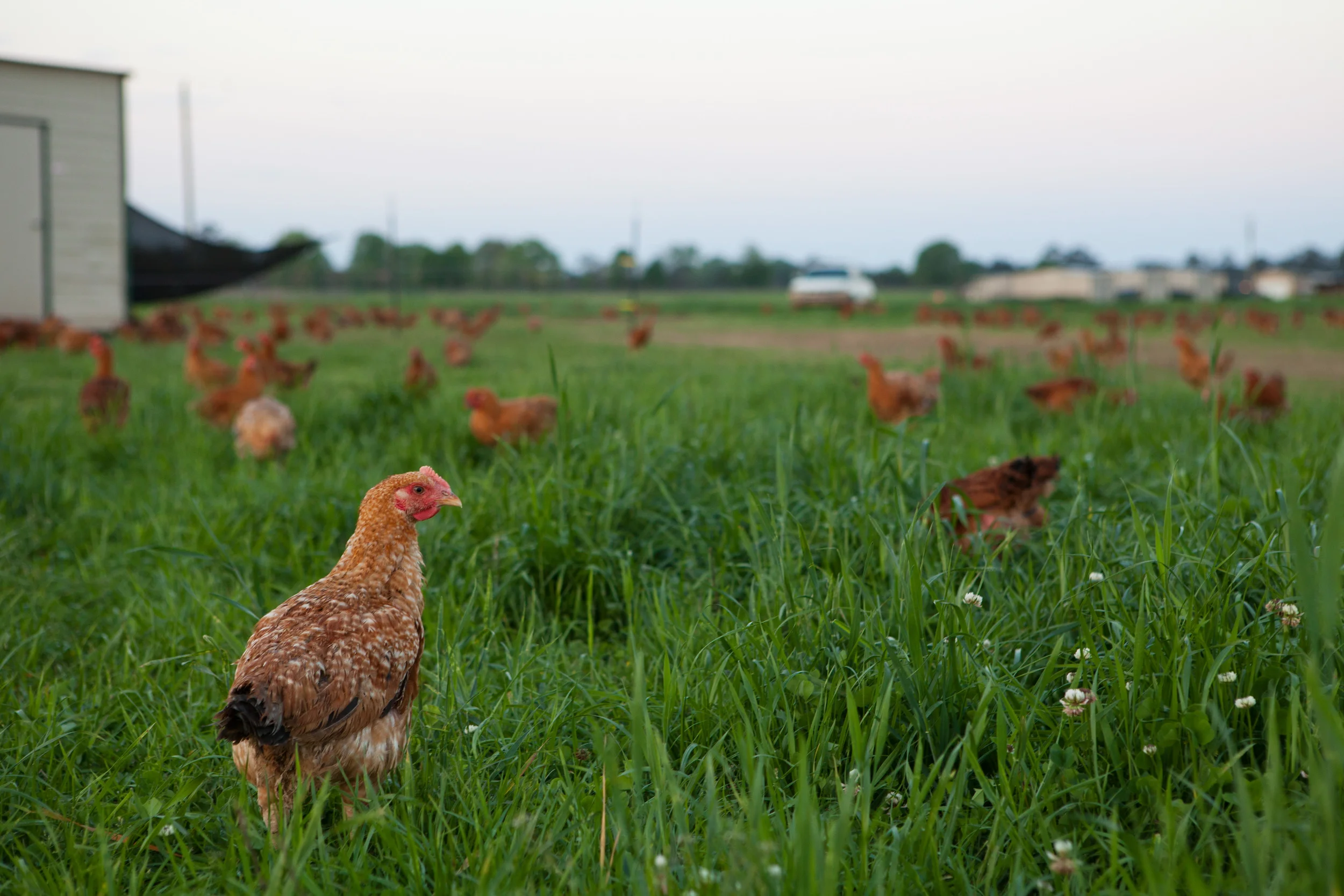
After reading what goes into conventionally processed chicken in America, the obvious question is: where do you find the real thing? White Oak Pastures has been raising pasture-raised, non-GMO chickens on their six-generation Georgia farm the way it was done before industrial shortcuts became the norm. No chlorine washes needed when your birds are raised with room to move, clean feed, and proper on-farm processing. Their chickens are hand-processed at their own USDA-inspected facility, which means full traceability and none of the industrial-scale contamination risks that make chemical washes a standard step elsewhere. If you are already rethinking your chicken, this is the cleanest switch you can make. Use code UNTOX at checkout for $20 off orders of $150 or more.
🎁 Save $20 on your entire order at White Oak Pastures with code UNTOX. Minimum purchase of USD150 required.
Paid partnership. We only feature brands that pass our science-first, no-fear standard.
⚖️ REGULATORS VS. REALITY
Banned in 1997, Still Unlabelled in 2026

When the European Union banned chlorine-based poultry washes back in 1997, the reasoning wasn't squeamishness about chemicals. It was a straightforward public health argument: if you're relying on a chemical bath at the end of the line to kill pathogens, you're treating the symptom while the disease runs unchecked. The Conversation summarised the EU's position clearly: chemical decontamination masks poor farm-to-fork hygiene rather than fixing it. That's a philosophy built around prevention. The American system, by contrast, built itself around remediation.
Nearly three decades later, the gap between the two approaches is measurable in illness statistics. The USDA's Food Safety and Inspection Service estimates that chicken-associated Salmonella sends roughly 125,000 Americans to the doctor every year, and FSIS's own surveillance data showed zero meaningful reduction in Salmonella contamination rates between 2021 and 2024, despite existing antimicrobial treatments being in wide use throughout that period. In April 2025, the UK government publicly reaffirmed it would never alter its food standards to permit chlorinated chicken imports during US trade negotiations, a signal that the transatlantic divide on this question is, if anything, hardening.
The regulatory picture inside the US gets harder to defend the closer you look. A Farm Forward analysis of five years of USDA inspection records found that some major poultry processing plants failed every single one of 60 consecutive Salmonella inspections without triggering a shutdown. Current USDA rules permit up to 25 percent of ground chicken samples to test positive for Salmonella before any enforcement action is required. Read that figure again: one in four samples, contaminated, legal.
FSIS did attempt a course correction. The agency proposed a Salmonella Framework rule that would have set enforceable contamination limits at the slaughter stage. Industry lobbied hard against it, framing the measure as regulatory overreach, and FSIS withdrew the proposal in April 2025. The chlorine bath, in this context, functions less as a safety net and more as political cover: a visible intervention that lets a structurally compromised system keep operating without fundamental reform. Consumers, meanwhile, receive no label telling them any of this happened to their dinner.
💡 Key Insight: The core problem with chlorine washes has never been the chlorine itself: it's that the US regulatory framework treats end-of-line chemical intervention as a substitute for upstream hygiene standards. When FSIS data shows no Salmonella improvement across three years of treatment, and the agency then withdraws its own proposed fix after industry pressure, the system is working exactly as industry designed it, not as public health requires. The EU's 1997 ban forced higher farm and processing standards. America's approval of chemical washes removed that pressure entirely.
⚖️ Six Things the Label Won't Tell You:
No disclosure required, US law does not require chicken packaging to disclose that the bird was treated with chlorine dioxide, peracetic acid, or any other antimicrobial wash during processing.
25 percent contamination is legal, USDA rules allow up to one in four ground chicken samples to test Salmonella-positive before FSIS is even permitted to consider enforcement action.
Repeated failures, no closures, Farm Forward's analysis found plants failing 60 consecutive Salmonella inspections without a single facility being shut down, a documented outcome of a system designed around tolerance thresholds rather than prevention.
The framework rule was killed by lobbying, FSIS's proposed Salmonella Framework, which would have set binding contamination limits at slaughter, was withdrawn in April 2025 after industry groups successfully argued it constituted regulatory overreach.
Chlorine washes do not neutralise all pathogens, Studies have found that some Salmonella strains show reduced susceptibility to chlorine-based treatments, and peracetic acid efficacy varies significantly by organic load on the carcass surface.
The EU ban raised hygiene floors, not just standards on paper, Removing the chemical backstop forced EU producers to invest in lower stocking densities, faster lairage times, and cleaner slaughter lines, producing structural improvement rather than chemical remediation.
🛡️ YOUR CLEAN POULTRY PROTOCOL
How to Buy Cleaner Chicken Every Single Time

Two words on a chicken label do more protective work than almost anything else in your grocery cart: "air chilled." Instead of tumbling through a communal cold-water bath that may contain chlorine or other chemical antimicrobials, air-chilled birds are cooled individually in refrigerated chambers. No shared bath, no chemical uptake, no absorbed water you pay for by the pound. It is the single most actionable label upgrade available to you right now, and it costs only a moment of attention.
The science behind that label swap is solid. A peer-reviewed study by researchers at Colorado State University and UC Davis, published in mSystems, found that air-chilled chicken carries a significantly more diverse and protective surface microbiome than water-chilled chicken, along with better odor scores and longer shelf life. A richer microbial community on the carcass surface is not just academic: it acts as competitive defense against pathogens like Campylobacter and Salmonella that thrive when that diversity is stripped away by chemical immersion.
Stack "air chilled" with two more label signals and you have covered nearly every angle. USDA Organic certification legally requires no antibiotics, organic feed, and outdoor access, which matters because antibiotic overuse in conventional flocks drives the resistant bacteria showing up in clinical settings. A Certified Humane seal independently verifies those welfare claims were actually audited. Together, these three markers give you a bird raised more carefully, processed more cleanly, and supported by third-party accountability rather than marketing copy.
Brands making this combination genuinely accessible include Bell & Evans and Mary's Free Range Chicken, both air-chilled and available at Whole Foods, Sprouts, and online. One more reason to check the fine print on any conventional package: water-chilled birds are legally permitted to disclose "contains up to 5% retained water," meaning a portion of what you weighed and paid for at the register is chemical bath water. The switch is straightforward, the evidence is there, and cleaner chicken is on the shelf waiting for you.
💡 Key Insight: "Air chilled" is the single label term that tells you a bird bypassed the communal chemical bath entirely. Pair it with USDA Organic and Certified Humane and you have covered processing method, antibiotic use, feed quality, and welfare in one pass. A Colorado State / UC Davis study in mSystems confirms air-chilled birds carry a more protective surface microbiome, better odor, and longer shelf life. That is three measurable wins from two seconds of label reading.
🛡️ Your Clean Poultry Checklist: Five Labels That Actually Matter
Air Chilled, the processing method that skips the communal chemical bath; look for it printed clearly on the front or side panel
USDA Organic, legally mandates no antibiotics, certified organic feed, and outdoor access; not perfect, but the strongest federally enforced standard available
Certified Humane, an independent third-party audit of welfare practices, which correlates with lower-stress rearing and fewer prophylactic interventions at the farm level
"Contains up to X% retained water", a disclosure flag on water-chilled packages; if you see it, you are paying per-pound for absorbed bath liquid, not just meat
Bell & Evans and Mary's Free Range Chicken, two widely available brands that combine air chilling with higher welfare standards; both stock consistently at Whole Foods and Sprouts
"No Antibiotics Ever" (NAE), a USDA-verified claim worth seeking if Organic is out of budget; it addresses the drug-resistance concern even when other standards are not met
The label was designed to confuse you, and now you know exactly how to read it.
✉️ COMMUNITY CORNER
YOUR BIGGEST WINS OF 2026 (SO FAR)
Before the break we asked one question: what was your biggest non-toxic win of the first half of 2026? Your replies filled our inbox, and reading them was the highlight of our week. Glass bottles replacing plastic, cast iron replacing nonstick ("who knew a seasoned pan could truly be nonstick?!"), homemade yogurt and breads, grass-fed meat from the farmers market, and dozens of swaps in between. Here are three that stopped us in our tracks.
🍷 Lori's final push
Lori cut her nightly wine down to a single glass, now poured only occasionally with friends, and she credits our alcohol edition as the tipping point. In her words: "The email you sent on alcohol, Tony, did not make you my friend… but it was the final push I needed." She has also switched to a reusable Keurig filter to retire the plastic pods, and after our dental floss deep dive she threw out a brand-new Glide and ordered one of the silk options instead. That is three separate editions turning into three real changes, and Lori, we are honoured to be that kind of friend.
📝 Lisa's list of 20
Lisa keeps a written list of every change she has made this year: 20 so far, with a "not ready yet" list waiting patiently on the side. Her most important swap was the BOROUX water filter, because with the amount of water she drinks, it touches every single day. She says the changes together are already improving her health and her husband's. If you are wondering where to start, borrow Lisa's method (one list for wins, one for someday).
🥩 Robyn's checklist milestone
Robyn has completed more than half of our swap checklists and says their overall health has genuinely improved. The most recent change was sourcing beef and eggs from a local ranch, and rediscovering just how much better real food tastes. Progress you can taste is the kind that sticks.
Thank you to every single person who hit reply. We read every email, and your wins are exactly why Lifeuntox exists. Keep them coming, because your story might headline the next Community Corner.
💡 HEALTH HACK OF THE DAY
The Chicken Label Audit: Next time you are standing in the meat aisle or unpacking a grocery delivery, flip every chicken package over and read the full ingredient list, not just the front label. Conventional chicken is legally allowed to contain "up to 8 percent retained water" from processing, which is the paper trail that often signals a chemical wash took place. Look for labels that say "air chilled", "no retained water", or carry USDA Organic and a third-party certification like Animal Welfare Approved. Take a photo of every label you find that lists retained water and save it to a dedicated phone album. Once you have three photos, you will have a visceral, personal record of how widespread this is, and that makes switching permanent.
🛍️ TODAY'S RECOMMENDED SWAPS
❌ Conventional Tyson or Perdue boneless chicken breast (chlorine-washed, retained-water label) → ✅ Mary's Free-Range Air-Chilled Chicken Breasts Air-chilled without chemical baths, no retained water, certified humane, and noticeably firmer texture when cooked.
❌ Budget frozen chicken nuggets made with mechanically separated, conventionally processed poultry → ✅ Applegate Naturals Organic Chicken Nuggets No chemical processing aids, organic-certified chicken, kid-friendly format that skips the industrial wash entirely.
❌ Conventional ground chicken from major commodity brands with no processing disclosure → ✅ Ranger Free-Range Ground Chicken Air-chilled, pasture-raised source farms, fully traceable supply chain, and zero added water in the package.
❌ Supermarket chicken tenders pre-marinated in sodium solution (often masks wash residue and inflates weight) → ✅ ButcherBox Free-Range Chicken Tenders (subscription or gift box) Direct-from-farm, never chlorine-washed, individually frozen without brine injection, and delivered to your door.
All products are independently researched for safety and effectiveness. Purchases support our mission with a small commission.
⭐ RATE TODAY'S EDITION
📝 Got questions, feedback, or aha moments?
Reply to this email with your thoughts, questions, or responses for a chance to be featured in tomorrow's Community Corner! We read every single email and love hearing your breakthroughs, struggles, and everything in between.
This material is provided solely for informational purposes and is not providing or undertaking to provide any medical, nutritional, behavioural or other advice or recommendation in or by virtue of this material. This newsletter is for general informational purposes only and does not constitute the practice of medicine, nursing or other professional health care services, including the giving of medical advice, and no doctor-patient relationship is formed. The use of information on this newsletter or materials linked from this newsletter is at the user's own risk. The content of this newsletter is not intended to be a substitute for professional medical advice, diagnosis, or treatment. Users should not disregard, or delay in obtaining, medical advice for any medical condition they may have, and should seek the assistance of their health care professionals for any such conditions.